

How Do You Know if Your Insulation Is No Longer Effective?
Insulation goes unseen but plays a key role in comfort and energy use for homes throughout Clarks Summit, PA. Insulation materials don’t last forever—age, moisture, pests, and regular wear can all diminish performance. Residents often notice something isn’t quite right before discovering insulation is the culprit.
What Are the Most Common Signs of Failing Insulation?
The most reliable indicators are changes you feel or see around your home:
- Rooms feel draftier or colder in winter, or harder to cool in summer.
- Heating or cooling systems run longer and more frequently without a comfortable result.
- There’s a noticeable, uneven temperature between rooms or from one floor to another.
- Higher utility bills arrive, especially during seasonal extremes, with no other explanation.
Pay attention to these shifts, especially before or after long stretches of extreme weather or after renovations. In older homes, settling or disturbance from upgrades can rapidly worsen insulation quality.
Can Visual Clues Point to Insulation Problems?
Visual evidence is common and sometimes surprising—if you know where to look:
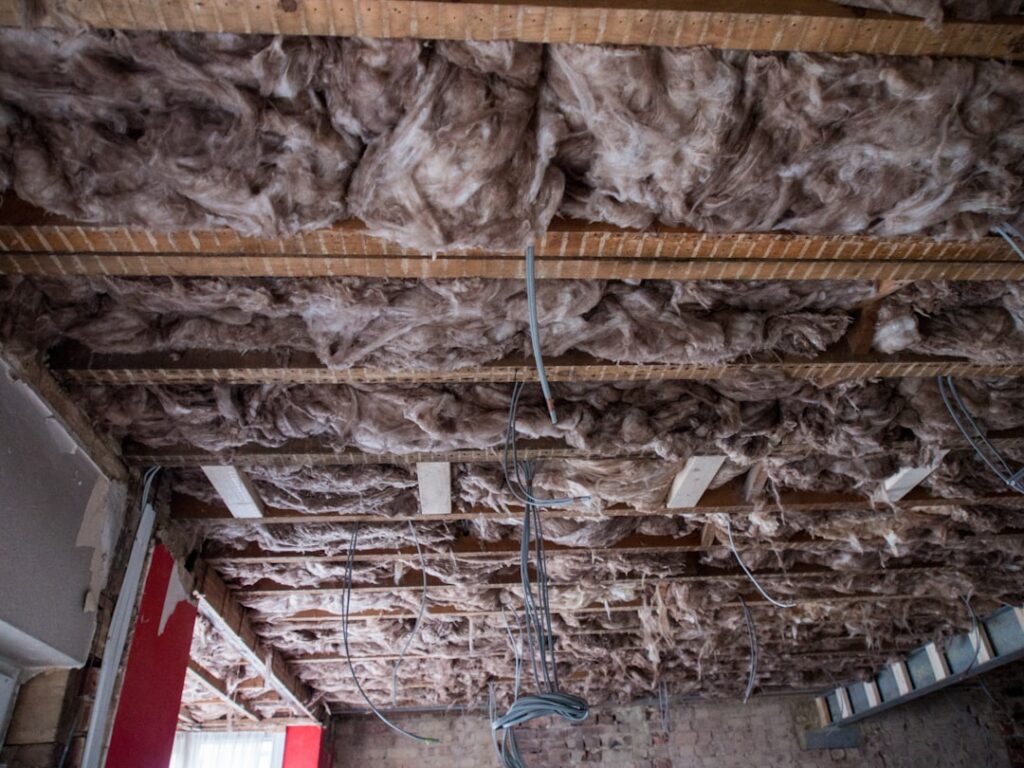
- In attics or crawl spaces, insulation may appear compressed, patchy, or discolored.
- Water stains or mold growth on insulation—or on rafters and walls—typically signal moisture penetration, which ruins most insulation types.
- Gaps, bald spots, or pieces of insulation out of place, especially around roof eaves, hatches, plumbing penetrations, and exterior walls, point to issues that need attention.
For local households with older roofs or siding, check these areas seasonally, as freeze/thaw cycles and ice dams can disturb or destroy insulation.
Are There Sound-Related Signs to Watch For?
A subtle, often-overlooked sign is a change in soundproofing inside the home. When insulation sags or becomes less dense, it can’t muffle outside noise as well:
- You hear more street noise, wind, rain, or sounds from neighboring homes than you remember in years past.
- Noises from appliances or the heating system travel further through walls or ceilings.
These changes can develop slowly and may be most noticeable after materials settle, such as after a damp or harsh winter.
Does Moisture in the Home Mean Insulation Is Failing?
Short answer: sometimes, yes. In Clarks Summit, moisture issues are a real concern due to the region’s freeze/thaw cycle and humid summers.
- Persistent dampness, condensation on windows, or a musty smell—especially in basements or near attic hatches—suggest insulation may be waterlogged or promoting mold growth.
- Water-damaged insulation is ineffective and can worsen indoor air quality.
Pay particular attention in homes with unfinished attics, below-grade rooms, or areas known for ice damming.
How Do Pests Reveal Insulation Problems?
Pest activity often goes hand-in-hand with insulation issues, especially in older or less tightly sealed homes in the area.
- Evidence of nesting—shredded insulation, droppings, or tunnels—means rodents or insects have found their way in and can quickly ruin thermal performance.
- Pest-damaged insulation almost always requires removal and replacement, along with steps to close entry points.
Check attic corners, crawl spaces, and behind basement walls for any signs of intrusion, especially if your home is near wooded areas or open fields.

Why Does Age Matter for Insulation Performance?
Time alone can reduce the effectiveness of even the highest-quality insulation materials used in Clarks Summit homes.
- Most fiberglass, cellulose, and foam insulation products have a practical lifespan—often 15 to 30 years, depending on conditions.
- Compaction, gradual settling, and tiny air leaks worsen over time, especially after renovations, heavy snowfall, or roof repairs.
If your home is over 25 years old and original insulation remains, it’s worth inspecting or reassessing performance.
Are There Local Factors That Can Shorten Insulation Lifespan?
Yes. The climate and home layouts typical to Clarks Summit create unique wear patterns not always present elsewhere.
- Frequent snow loads can stress roof insulation if ventilation is lacking.
- Wide temperature swings can speed up settling in attic and wall cavities.
- Oil heat systems, common in older houses, can cause airborne particles to accumulate in insulation, reducing R-value.
- Historic homes may have insulation that is either outdated or missing altogether in exterior walls.
Area residents often face these challenges after heavy storms or in homes with additions and sunrooms.
What Are Common Misconceptions About Insulation Needs?
Some residents assume insulation is a “set-it-and-forget-it” feature, but that’s seldom true:
- Adding more insulation doesn’t always fix drafts—air leaks must be sealed for insulation to work effectively.
- New windows alone won’t resolve comfort issues if insulation is failing.
- Small animals in the attic or walls can cause more damage than is visible on a quick glance.
Another misconception: insulation only matters in winter. In fact, summer heat gain can be just as uncomfortable and costly if insulation isn’t performing.
What Should Residents Do If They Suspect a Problem?
If you recognize several signs, it’s wise to take a closer look at accessible areas like the attic, crawl space, and around windows and doors for obvious changes or damage. Damaged, wet, moldy, or pest-infested insulation typically needs to be replaced to restore energy efficiency and indoor comfort. For small gaps and cracks, sealing can help, but if most or all of the insulation is compromised, replacing it is usually more effective for reliable results throughout the seasons.