

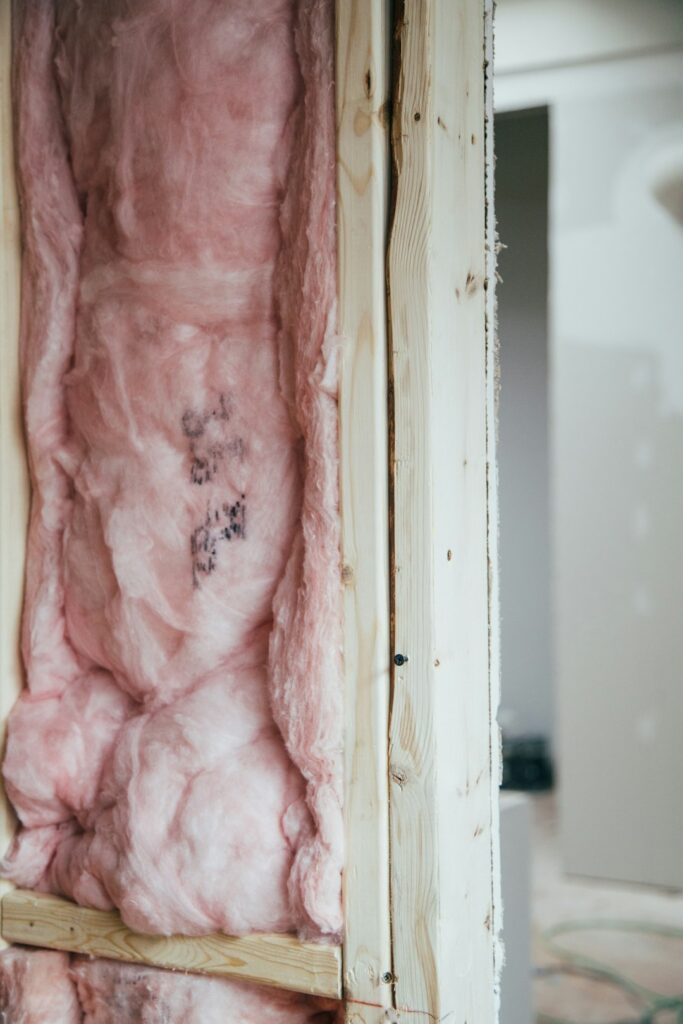
What Is R-Value?
R-value is a measure of how well a material resists the flow of heat. The "R" stands for resistance—the higher the R-value, the better the material is at slowing down heat transfer. This number is especially important in insulation, as it helps area households gauge how effective their walls, attics, or floors will be at keeping indoor temperatures stable throughout Clarks Summit’s varied seasons.
The value itself is calculated based on the material’s thickness and thermal conductivity, which is why different insulation types and depths have different R-values.
Why Does R-Value Matter in Clarks Summit?
In Clarks Summit, local residents experience both cold winters and warm summers. The right R-value for insulation can make a significant difference by:
- Keeping warm air inside during January snows
- Blocking summer heat from seeping indoors in July
- Reducing the need to run HVAC systems as often, helping control energy bills
- Improving year-round comfort for anyone living in or visiting the home
Because the area sees a wide temperature range and substantial wind or precipitation, a properly selected R-value makes homes more resilient against drafts and temperature swings.
How Is R-Value Measured and Labeled?
Manufacturers typically display R-value per inch of material, but the listed value for insulation products (batts, rolls, boards, or blown-in) reflects the total thickness. For example, 3.5 inches of fiberglass batt may be rated R-13, while a thicker product or denser type might be rated higher for the same area.
When adding new insulation, it’s not just the product’s listed value that matters—what counts for energy savings is the total R-value of all materials in a wall, attic, or floor assembly. Homeowners should add together the R-values of insulation layers when estimating overall performance.
What R-Value Is Recommended for the Local Climate?
Most homes in Clarks Summit are in a climate zone where the U.S. Department of Energy recommends:
- Attic insulation: R-38 to R-60
- Wall insulation: R-13 to R-21
- Floor insulation (over unheated spaces): R-25 to R-30
Older homes in the area often fall short of these levels due to outdated materials, settling, or voids in insulation, which is common in houses built before modern energy codes.
Is a Higher R-Value Always Better?
While a higher R-value means better insulation, there are limits to its effectiveness. Once a certain point is reached, adding more insulation produces only minor gains in efficiency. Local households should avoid common misconceptions such as:
- Adding endless layers guarantees maximum comfort: Each new layer reduces heat transfer less effectively than the one before.
- All insulation types of equal thickness provide the same protection: Some materials (like spray foam or rigid board) offer higher resistance than others (like fiberglass or cellulose) at the same depth.
Room design, home age, and unique architectural features (like cathedral ceilings or crawlspaces) can also affect the ideal R-value for a specific space.
How Does Air and Moisture Affect R-Value Performance?
A key factor sometimes overlooked in areas like Clarks Summit is that real-world effectiveness depends on preventing air leaks and moisture buildup. Even insulation with a high R-value won’t work properly if air can move freely around it, or if the material becomes damp. Drafts and moisture can reduce rated performance by as much as half.
Practical steps for local homes include:
- Air sealing around windows, doors, and penetrations before installing new insulation
- Using vapor barriers or moisture-resistant insulation in basements and crawlspaces
- Regularly checking attics and walls for water intrusion that can compromise insulation

Can Existing R-Values Be Improved in Older Homes?
Many homes in the community were built before insulation standards reflected current energy costs or climate risks. Updating insulation is often possible, but it begins with checking the existing R-value in attics, crawlspaces, and exterior walls. People often use depth markers or ruler measurements with product charts to estimate current levels.
For some spaces, especially those with restricted access (like knee walls or enclosed cavities), blown-in insulation or dense packing methods can raise R-values with minimal disruption. In unfinished attics, it’s often possible to simply add more insulation over what’s already there as long as moisture concerns have been addressed.
What Mistakes Should Local Residents Avoid?
Some common misunderstandings in the area can lead to less effective results:
- Assuming all gaps can be “fixed” by insulation alone—air sealing and proper installation are just as important as R-value ratings
- Compressing batt insulation to fit tighter spaces—this actually lowers the R-value
- Ignoring small drafts around attic hatches, recessed lighting, or band joists; these can sharply reduce overall insulation effectiveness
- Expecting dramatic drops in utility bills from insulation upgrades without addressing old windows, roofing, or mechanical issues
Talking with building inspectors or reviewing area guidelines can clarify recommended values when planning projects that may affect structure, safety, or venting.
How Can Residents Check or Research R-Value for Their Homes?
Residents wanting to know their current insulation performance can:
- Measure insulation depth in attics and compare with manufacturer R-value charts
- Look for stamped product labels or consult building plans (when available)
- Use thermal imaging (sometimes available through public energy efficiency programs) to identify gaps in coverage
- Review recommendations from official energy efficiency resources that apply to this region
Understanding what R-value means—and how it fits local needs—empowers property owners to make sustainable, cost-effective decisions for home comfort and long-term energy performance.