

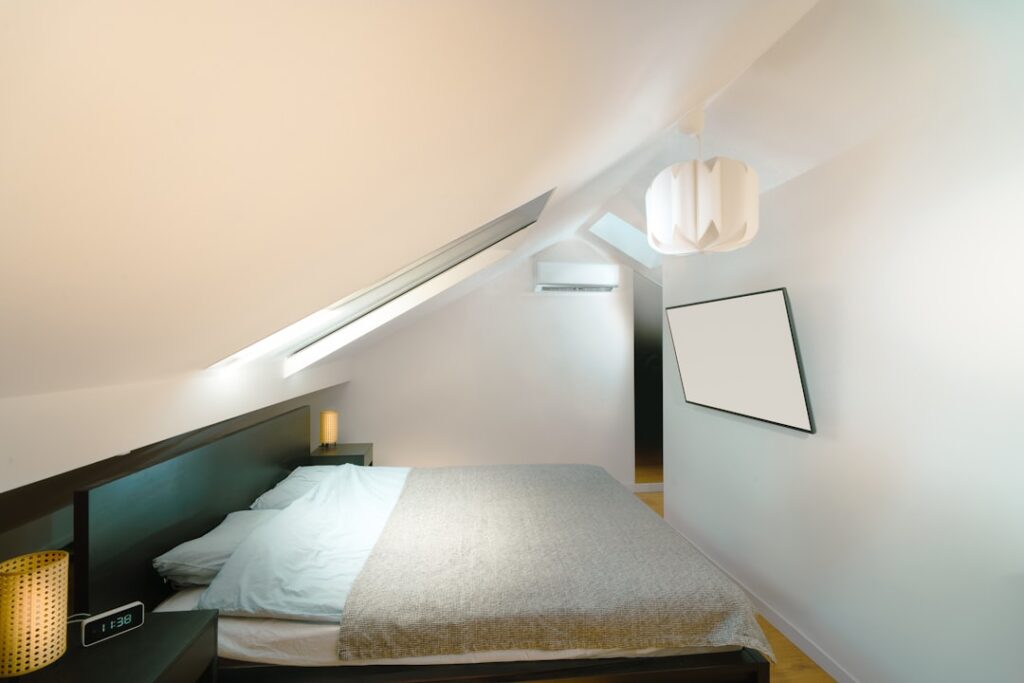
How Does Insulation Influence Comfort Inside Clarks Summit, PA Homes?
Proper insulation acts as a shield against outdoor temperature swings, helping homes in Clarks Summit, PA remain comfortable throughout the year. Insulation slows the movement of heat—keeping warmth indoors during cold winters and blocking heat from entering during summer. Residents often notice fewer drafts and more stable room temperatures, reducing the need for constant thermostat adjustments.
Homes without enough insulation regularly experience cold floors, chilly rooms, and uneven temperatures from one area to another. Meanwhile, homes with solid insulation tend to feel consistently warmer in winter and cooler in summer, even during the most intense seasonal changes.
Why Are Insulation Choices Especially Important for Local Weather?
The climate in Clarks Summit means insulation has to work in all four seasons. Winters can be long, cold, and snowy, so attic and wall insulation help retain valuable indoor heat and protect against icy drafts. In July and August, even brief heat waves can push indoor comfort levels. Effective insulation prevents hot air from seeping in, making it easier to keep homes cool without overburdening air conditioners.
For older homes in the city, upgrades can make a dramatic difference. Many houses built before modern energy codes may have too little insulation, leading to chilly bedrooms or overheating upper stories in summer.
What Areas of a Home Have the Biggest Impact on Comfort?
Heat moves differently through each part of a house. These are the main areas where insulation makes a strong difference:
- Attics: Without attic insulation, heat rises and escapes in winter, or it floods in through the roof in summer.
- Exterior Walls: Walls with good insulation keep living spaces comfortable and block outside air from sneaking in.
- Basement and Crawl Spaces: Insulating these areas reduces cold floors and helps limit dampness and musty smells.
- Floors Above Unheated Areas: A common discomfort in the region is cold floors above garages or basements; floor insulation helps address this.
Every improvement in these areas has a direct impact on comfort, especially in multi-level or older homes where uneven temperatures are common.
Can Better Insulation Reduce Drafts and Noise?
In addition to managing temperature, insulation can block uncomfortable drafts and even reduce unwanted noise. Insulation fits tightly into walls, ceilings, and floors, closing gaps where air can leak through. This stops cold breezes in the winter or hot spots in the summer. Locally, many residents notice immediate improvements after sealing leaky attic doors or basement rim joists.
Some types of insulation also muffle sound, making homes quieter. Thicker insulation in walls and floors prevents street sounds, footsteps, or noisy neighbors from traveling between rooms.
How Does Humidity Relate to Insulation and Comfort?
Humidity and insulation work together to keep homes feeling comfortable. In cold months, poor insulation can create cold surfaces, leading to condensation and even local mold issues. During muggy Pennsylvania summers, well-insulated homes are less likely to become sticky and uncomfortable because insulation helps air conditioners cool evenly.
Moisture management usually involves not only insulation but also good ventilation and air sealing. This reduces the chances of problems like window condensation, musty basements, or lingering odors.
Common Local Misconceptions About Insulation and Comfort
Many people believe that only new homes need updated insulation, but even well-kept older homes in the area may lack adequate coverage. Another myth is that insulation is only important for winter, but residents experience just as many issues with overheating and humidity in July and August.
It's also easy to overlook the importance of tight air sealing in combination with insulation; both work together for full comfort benefits. Simply adding more insulation without sealing air leaks may not prevent drafts or cold spots.
Practical Signs Insulation Is Affecting Your Everyday Comfort
Residents often wonder if they need more insulation but aren't sure what to look for. Some typical clues:
- Needing to adjust the thermostat more than expected to maintain comfort
- Noticing certain rooms are always hotter or colder than others
- Cold floors in winter, especially above garages or unheated basements
- Unexplained increases in heating or cooling bills
- Ice dams forming on the roof edge after heavy snow, a direct sign of heat escaping
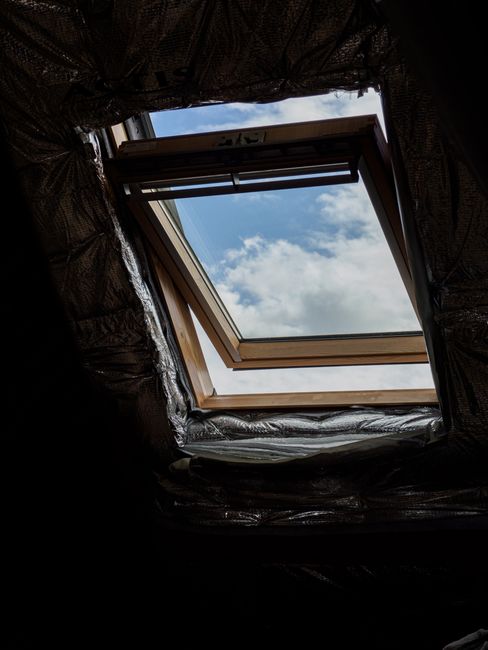
Recognizing these patterns can help homeowners decide when to investigate insulation as a source of discomfort.
What Type of Insulation Is Best for Local Housing Patterns?
Local housing includes a mix of older brick houses, newer construction, and small bungalows. The most suitable insulation type depends on the structure:
- Blanket (Batt and Roll): Common for attics, floors, and accessible wall spaces.
- Blown-In (Loose-Fill): Ideal for filling existing wall or attic cavities, especially in homes without major renovations.
- Spray Foam: Provides both insulation and air sealing, used for complex spaces or where drafts are a persistent problem.
- Rigid Foam Boards: Useful for basements and crawl spaces prone to moisture.
The key is not just increasing the amount of insulation, but choosing the right type and placing it where it will have the greatest effect.
Does Proper Insulation Have Effects Beyond Temperature?
Besides comfort, insulation improvement can:
- Make heating and cooling systems last longer by reducing their workload
- Lower monthly energy use, which may help with utility costs year-round
- Improve indoor air quality by blocking allergens, dust, and pollen from outdoor air gaps
- Protect against ice dams and moisture problems that can cause property damage
All these factors combine to create an environment that feels more stable, healthy, and pleasant in every season.