

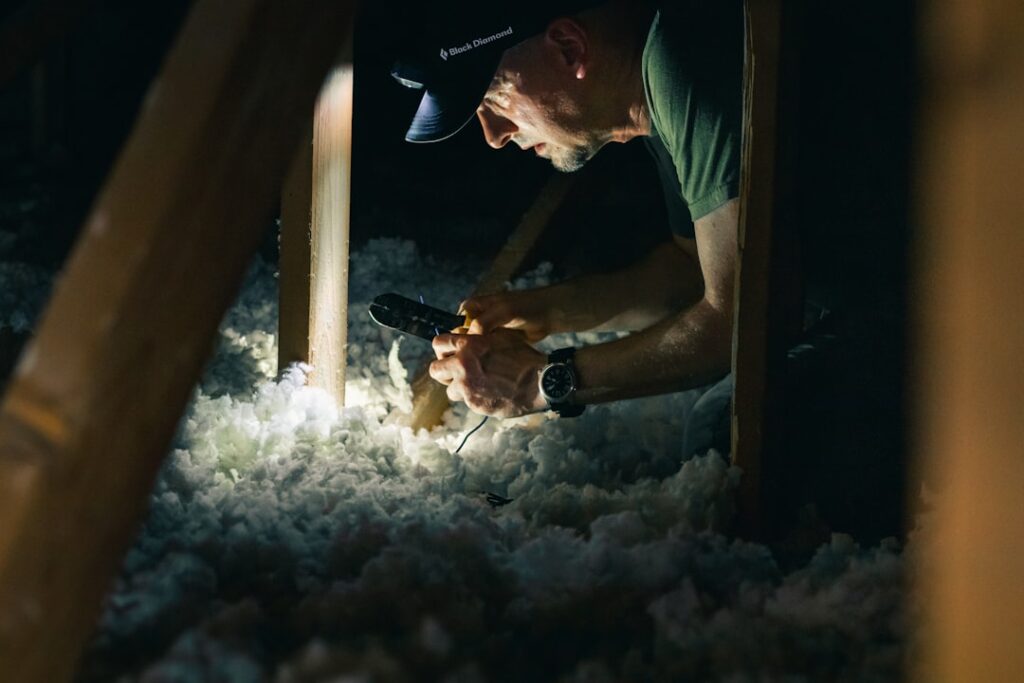
Why Check Your Attic Insulation?
Checking attic insulation is a straightforward way for residents of Clarks Summit, PA to maintain comfort and manage household energy costs. Older or insufficient insulation can allow heat to escape during the winter and let unwanted warmth in during the summer. Regular evaluations help area homeowners catch problems early and understand if their attic’s insulation meets local standards for cold winters and humid summers.
What Does Adequate Insulation Look Like?
Attic insulation in the region should be thick enough to prevent ceiling joists from being visible. In Clarks Summit, the recommended insulation level for attics is typically R-49, which often equates to about 16–18 inches of fiberglass batt or blown-in insulation. Practical signs of adequate coverage include:
- A uniform, even layer of insulation with no low spots or gaps
- Joists completely buried beneath the insulation
- Insulation that appears dry and free from mold or pest activity
Some local homes, especially older housing stock, may have less than this recommendation due to updates in building codes or historical construction methods.
How Can You Safely Access the Attic for Inspection?
It’s possible for most residents to visually check attic insulation with basic precautions:
- Only enter the attic when it’s dry and well-lit
- Walk only on attic joists or installed walkways; stepping between joists risks damage to ceilings
- Wear a dust mask, gloves, and long sleeves, especially when handling loose or batt insulation
If there’s any sign of water damage, exposed electrical wiring, or suspected vermiculite insulation (which could contain asbestos), it’s safer to stay out and seek proper guidance.
What Tools and Supplies Help With Inspection?
Most homeowners only need a flashlight and a tape measure for a basic inspection. A smartphone camera can help document conditions for later review. For more detailed assessment:
- Insulation depth ruler (often available at hardware stores)
- Notepad for recording measurements and any problem areas
- Dust mask and protective eyewear if disturbing insulation
These simple tools are usually sufficient for a noninvasive evaluation.
What Problems Should You Look For?
Start with a visual scan for:
- Compressed, thin, or uneven areas
- Exposed joists, indicating insufficient depth
- Wet, stained, or moldy insulation, a sign of roof leaks
- Signs of pests, such as nesting material or droppings
- Gaps around attic hatches, pipes, vents, or light fixtures
Blank spots, inconsistent depth, and damaged or contaminated insulation are all reasons to consider improvements, since even small gaps can impact overall performance.

How Do You Measure Insulation Depth and Compare to Recommendations?
To check the current depth:
1. Push the end of your tape measure straight down through the insulation, keeping it perpendicular to the attic floor.
2. Read the number where the top of the insulation meets the tape.
3. Repeat this in several places, especially near the edges and above living spaces.
Compare your measurements to local R-value guidelines. In Clarks Summit’s climate, most homes benefit from at least 16–18 inches of fiberglass or cellulose insulation to reach R-49. A simple conversion reference:
- Fiberglass batts: R-3.2 to R-3.8 per inch
- Loose-fill cellulose: around R-3.5 per inch
If you find less than recommended, the attic is likely under-insulated for local weather demands.
Are There Common Misconceptions or Overlooked Issues?
One frequent misconception is that attic floors only need a minimal layer or that new homes always have perfect insulation. Even newer houses in the community can suffer from builder shortcuts or settling over time.
Other overlooked issues:
- Unsealed air leaks around attic penetrations (wires, pipes, or chimneys)
- Areas at the roof edge where insulation is sometimes thinner
- Insulation pushed aside for storage or by contractors during prior repairs
Addressing these issues is just as important as total insulation depth for controlling drafts, preventing ice dams, and maintaining consistent temperatures.
How Does Attic Insulation Relate to Seasonal Comfort in the Area?
In Clarks Summit, cold winters and humid summers put insulation to the test. Poor attic insulation can lead to uneven room temperatures, higher heating bills, and even ice buildup on roofs in the winter. During summer, insufficient attic insulation can let in excessive heat, making air conditioning less effective. Many local households notice drafty rooms or inconsistent temperatures before realizing attic insulation is deficient.
What Next Steps Make Sense After Inspection?
After finishing your inspection, organize your notes, photos, and measurements. If you find the insulation is below local recommendations, suffers from moisture problems, or has clear signs of pests, it’s helpful to research possible materials and repair options. Keep in mind that attic air sealing often goes hand-in-hand with insulation upgrades for full effectiveness.
For do-it-yourselfers, minor insulation top-ups or air leak sealing can be manageable, especially when working with readily available materials. For significant moisture, structural, or air quality concerns, look for publicly available resources from local or state energy offices for detailed guidance on next steps.