

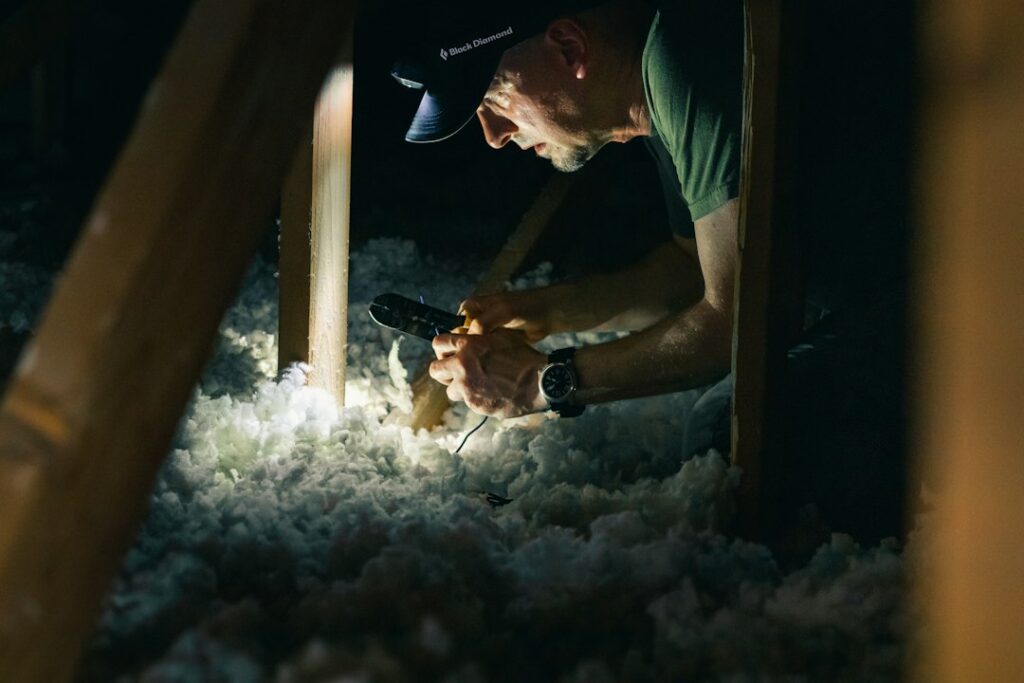
Insulation can reduce some indoor allergen problems, but it does not act as an air purifier or replace cleaning, ventilation, moisture control, or HVAC filtration. Its main benefit is indirect: properly installed insulation helps control drafts, surface temperatures, condensation, and hidden air pathways where dust, mold, and outdoor pollutants can enter or accumulate.
For households in Clarks Summit, PA, this matters because cold winters, seasonal humidity changes, older homes, attached garages, basements, and attic spaces can all affect indoor air quality.
Can insulation actually reduce allergens?
Yes, insulation may help reduce allergens when it is part of a complete air-sealing and moisture-control approach. Insulation alone does not remove allergens already present in a home.
The most relevant benefits include:
- Reducing uncontrolled outdoor air leakage
- Limiting dust movement through attic floors, crawl spaces, and wall cavities
- Keeping interior surfaces warmer and less likely to collect condensation
- Helping prevent conditions that support mold growth
- Improving the performance of heating and cooling systems
Air often moves through small openings around plumbing pipes, wiring, recessed lights, ductwork, attic hatches, baseboards, and foundation walls. If those areas are not sealed, air can carry dust, insulation fibers, soil particles, pollen, and other irritants into living spaces.
Insulation can slow heat transfer, but air sealing is usually the step that limits the movement of airborne particles.
Which allergens may be affected?
Insulation and air sealing may help with several common indoor and outdoor irritants, although the results depend on the source of the problem.
Dust and dust mites
Dust enters through normal household activity, fabrics, pets, open doors, and air leakage. Insulation can reduce the amount of dusty air entering from unfinished attics, basements, crawl spaces, and wall cavities.
Dust mites are different. They thrive in warm, humid environments and are commonly found in bedding, carpets, and upholstered furniture. Improving insulation may make indoor humidity and temperature easier to manage, but it will not eliminate dust mites from those materials.
Regular washing of bedding, humidity control, and thorough cleaning remain necessary.
Mold spores
Insulation can help reduce mold risk by keeping ceilings, walls, and floors warmer. Warmer surfaces are less likely to develop condensation when indoor air contains moisture.
However, wet insulation does not solve a mold problem. If insulation has been soaked by a roof leak, plumbing failure, foundation seepage, or persistent condensation, it may need to be removed and replaced after the moisture source is corrected. Covering damp materials can hide the problem and allow mold growth to continue.
Pollen and outdoor particles
During spring, summer, and early fall, outdoor pollen can enter through open windows, doors, mechanical systems, and gaps in the building envelope. Insulation combined with air sealing can reduce entry through hidden cracks and bypasses.
It will not prevent pollen from entering whenever windows are open or eliminate particles brought indoors on clothing, shoes, or pets.
Why air sealing matters as much as insulation
A well-insulated attic can still allow dusty or humid air into the home if gaps remain around the attic hatch, wiring, plumbing penetrations, duct openings, or recessed lighting.
Air sealing addresses those openings before insulation is installed or added. In an attic, this may involve sealing penetrations between the living area and attic floor, improving the fit of the access hatch, and addressing openings around chimneys or other heat-producing equipment with appropriate materials.
Air sealing must be done carefully. Heat-producing fixtures, flues, chimneys, and electrical components require specific clearances and compatible methods. Blocking ventilation paths at the roofline can also create moisture problems.
The goal is not to make a home unable to breathe. The goal is to control where air moves and provide intentional ventilation where needed.
Can insulation reduce allergens in older homes?
It can, but older homes often require investigation before insulation is added. Homes with unfinished attics, stone or block foundations, irregular framing, knob-and-tube wiring, past water damage, or poorly ventilated roof spaces may have conditions that affect the choice of insulation.
Common concerns include:
- Hidden roof or plumbing leaks
- Damp basement walls or floors
- Mold on framing or sheathing
- Vermiculite or other potentially hazardous insulation materials
- Lead paint or asbestos-containing materials
- Unvented combustion appliances
- Inadequate bathroom or kitchen exhaust
- Electrical wiring that needs evaluation before being covered
Adding insulation over wet, contaminated, or deteriorated materials can make inspection and repairs more difficult. Moisture and safety conditions should be addressed first.
Does spray foam reduce allergens better than fiberglass or cellulose?
No insulation type automatically provides superior allergy protection. Performance depends more on proper installation, air sealing, moisture control, and the condition of the building envelope.
Spray foam can create an effective air barrier when correctly installed, but it must be applied under suitable conditions and kept away from areas where it could interfere with heat-producing equipment or required ventilation.
Fiberglass can perform well when installed without compression, gaps, or air movement around it. Loose-fill cellulose can provide good coverage in attics and enclosed spaces, but it also requires proper air sealing beneath or around the insulated area.
Insulation should not be selected only because of allergy concerns. The building assembly, moisture exposure, ventilation needs, fire safety, access, and existing materials all matter.

What should residents check before adding insulation?
A basic inspection can reveal whether insulation is likely to help or whether another issue is causing the symptoms.
Look for:
- Musty odors or visible discoloration
- Condensation on windows, ducts, or cold walls
- Frost or dampness in the attic during cold weather
- Uneven temperatures between rooms
- Drafts near attic hatches, baseboards, outlets, or basement rim joists
- Water staining on ceilings or walls
- Insulation that is wet, compressed, displaced, or contaminated
- Excessive indoor humidity
A hygrometer can help monitor indoor relative humidity. Many homes experience better comfort and lower mold risk when humidity is kept within a moderate range, though the appropriate level varies by season and household conditions. Persistent moisture should be investigated rather than managed only with a dehumidifier.
What other steps reduce allergens?
Insulation works best as one part of an indoor air-quality plan. Useful measures may include:
- Repairing leaks before insulating
- Using properly sized exhaust fans in bathrooms and kitchens
- Replacing HVAC filters according to system requirements
- Cleaning return grilles and accessible duct surfaces
- Washing bedding regularly in hot water when appropriate
- Using a vacuum with effective particle filtration
- Removing visible mold safely and correcting the moisture source
- Keeping basement and crawl-space moisture under control
- Sealing gaps between attached garages and living areas
- Removing shoes at entry points during high-pollen seasons
If symptoms continue after obvious dust and moisture problems are addressed, the cause may be unrelated to insulation. Pets, cleaning products, combustion byproducts, furnishings, and outdoor air can all contribute to indoor irritation.
When is an evaluation necessary?
Evaluation is warranted when insulation is wet, there is visible mold, strong musty odor, unexplained respiratory irritation, suspected hazardous material, or evidence of water intrusion. Safety concerns also apply around electrical wiring, chimneys, furnaces, boilers, and fuel-burning appliances.
The practical question is not simply whether a home has enough insulation. It is whether the attic, walls, basement, crawl space, and ventilation system are working together without allowing uncontrolled air leakage or moisture accumulation.
Properly planned insulation can make a home more comfortable and may reduce the pathways that carry dust, pollen, and moisture-related contaminants. Its allergy-related value comes from improving the overall building envelope—not from acting as a standalone treatment for indoor air quality.